




Jump Billy! is a celebration of English folk’s diverse history, through the life of celebrity Black Regency busker Billy Waters.
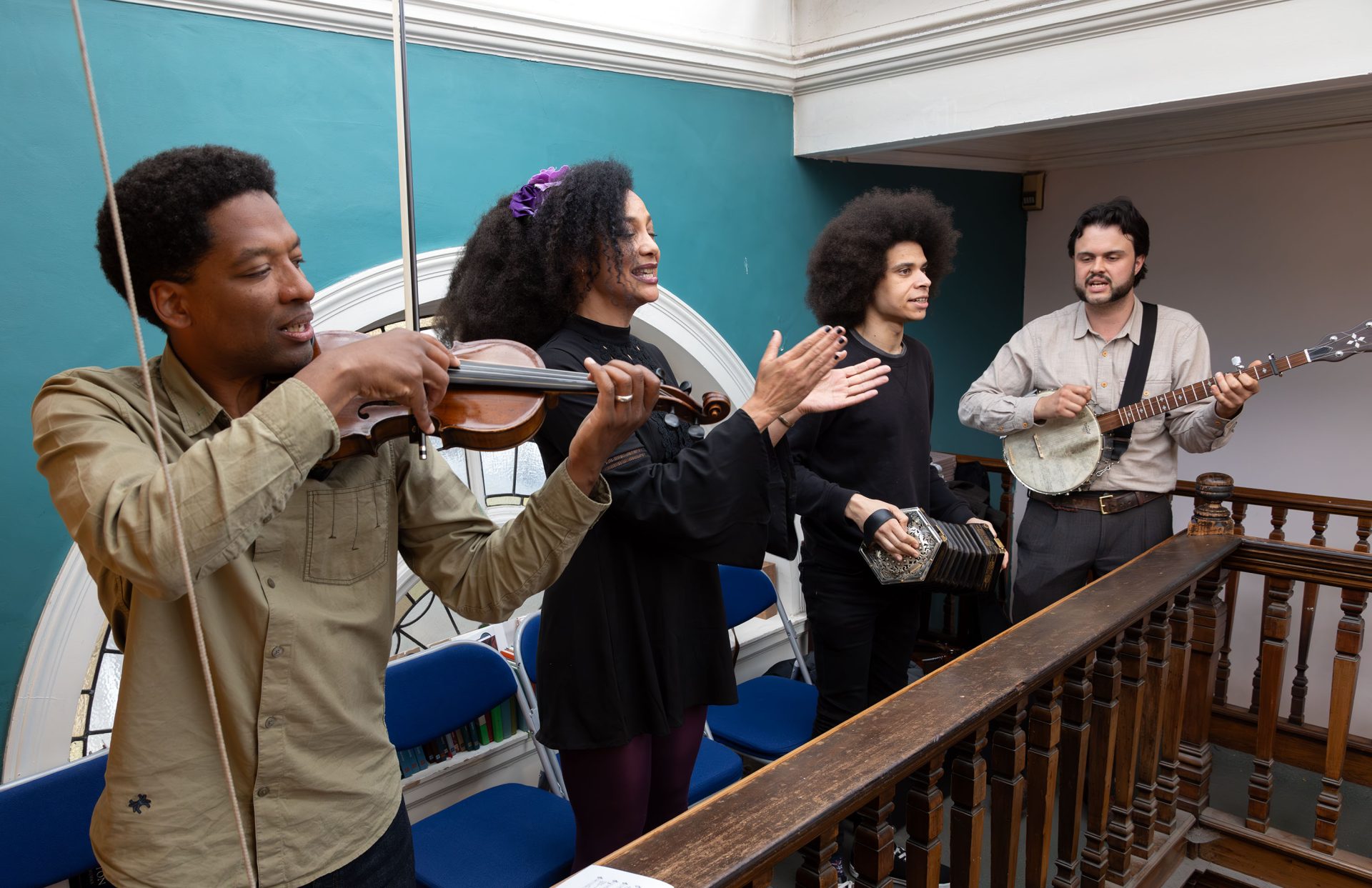
A one-off concert to mark the 250th anniversary of Billy Waters’ birth, with narration and live music from Cohen Braithwaite-Kilcoyne, Clarke Camilleri, Hamilton Gross, and Angeline Morrison, with Maz O’Connor, Tony Montague and Martin Simpson. There’ll be a mix of solo and band performances with music from the artists’ own repertoires – old and new – as well as trad.

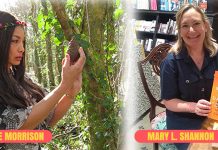
The show is created and arranged by Mary L. Shannon, writer and author of BILLY WATERS IS DANCING, and narrated by Suchitra Chatterjee, of Brighton & Hove Black History. It draws together researchers and creatives who have worked together on various projects to highlight the life of this Black disabled Regency celebrity.
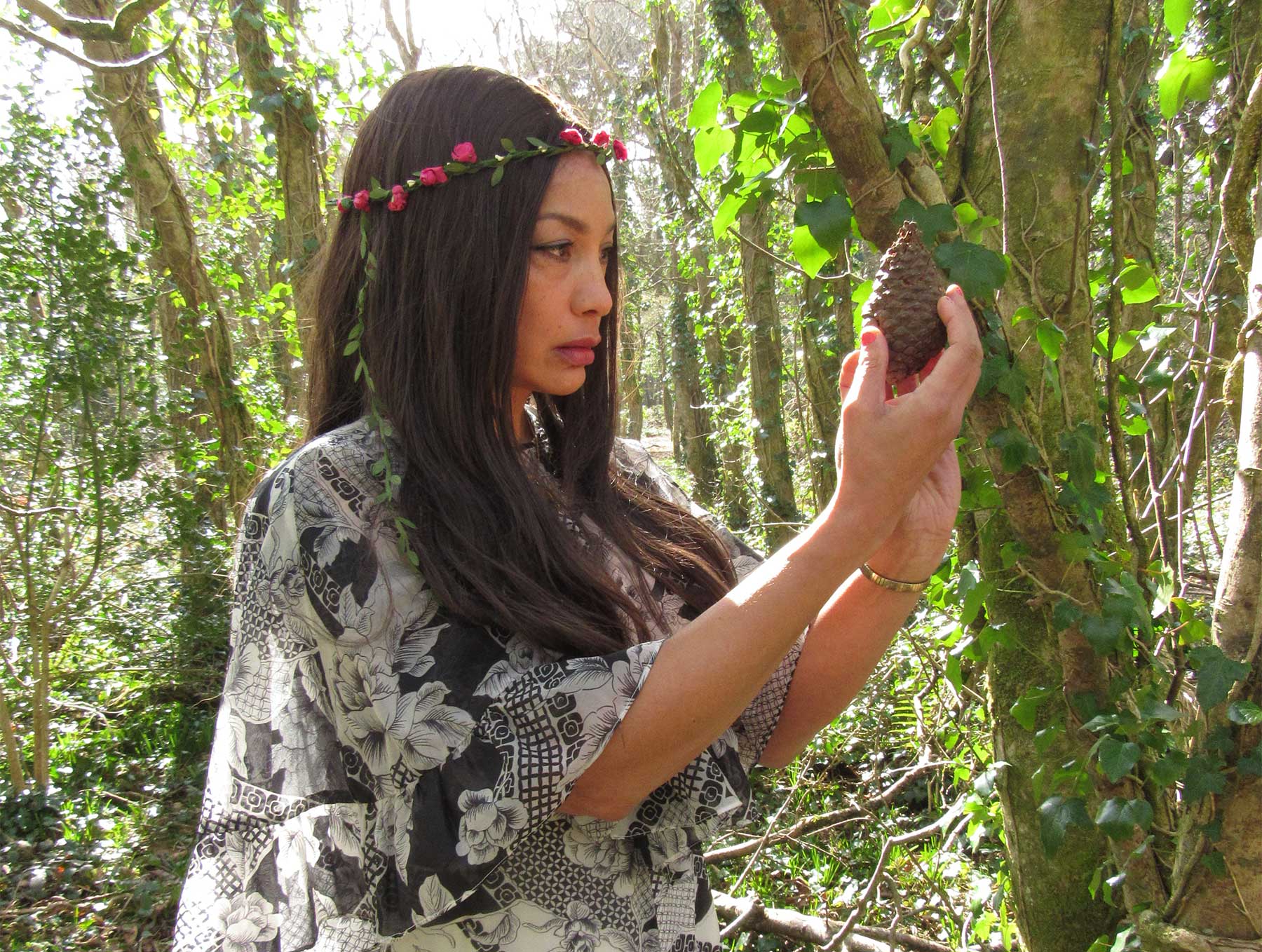
Angeline Morrison
For those who are unfamiliar, including me, who was Billy Waters?
William Waters, known as Billy, died in 1823 in the St Giles Workhouse in London. Born in America – likely into slavery, though we can’t prove this – he found his way into the Royal Navy and worked as an able seaman for some time. Billy was permanently injured in an accident on board a ship, where he fell from the rigging and had to have a leg amputated. He was discharged from the Navy and found his way to London, where he earned a meagre living as a street musician, dancer and singer.
Billy Waters was renowned for his brilliant fiddle playing, his incredible dancing – choreographed by Billy to include kicks and spins on his wooden prosthetic ‘peg’ leg – his songs, and his incredible outfits. He is perhaps known for wearing a naval coat and a bicorn hat decorated with feathers.
It’s shocking to find out how very famous he was at the time, and for decades after his death. People knew who he was, he was caricatured in national publications, his famous performance outfits acting as a sort of signature look that people would identify with him.
Crowds gathered to hear him play and watch him dance outside the Adelphi theatre, where he busked (always risking arrest, as street musicianship was considered a form of begging and a criminal offence). Billy Waters was a folk celebrity in Regency London and an early icon for the Black and Disabled communities.
What do you hope younger audiences take away from Jump Billy?
Billy Waters is such an important figure for the landscape of British musical history, especially for the history of folk music in Britain. I’d love younger audiences who maybe didn’t know much about him beforehand to come away seeing the landscape of folk music in England with a fresh vision. Billy Waters represents the diversity that has always existed in the land and in the music, but which is often overlooked.
If Billy Waters were alive today, what do you think he’d make of this project?
If Billy Waters were alive today, he’d be headlining the show and we’d all be mere tribute acts paying homage to his genius! But if he were watching over the event, I hope he would feel a deep sense of things being finally put right. His lifetime in London was marred by poverty and ill treatment. So despite his musical and theatrical brilliance, he died in agony in a workhouse without a penny to his name.
You’ll hear the story of this if you’re coming to the event. So in many ways, this musical celebration of his life and Mary’s fantastic book are ways of steering the ship of memory – course-correcting so that we can see Billy’s life and our sense of the past more clearly.
What challenges have you faced being a Black woman in the folk scene, and how are things changing?
Things are changing, evolving and expanding. It’s exciting and long overdue. There are a lot of us Black British folk musicians, but we’ve mostly been doing our thing in what feels like isolation. Often, we question ourselves, question our place in the scene of this music we love so much. But we are gradually finding one another and meeting up and exploring all the abundantly creative ways in which people of the African and Caribbean diasporas engage with the traditional music and cultures of Britain.
The newly formed Black British Folk Collective (consisting of folk artists Bianca Wilson, Marcus MacDonald and me) exists to do exactly this work. To shine a light on the Global Majority folkies doing their work in Britain, and also to arrange folk clubs and folk events for our community.
What stories or archives are calling you next? Are there more historical songs on the horizon?
There are so many stories of our hidden Black Ancestors in Britain. I keep finding more and more, so my ongoing research is fruitful and exciting. Billy Waters was a folk celebrity, so his status as a Black British Ancestor is very particular. Right now I’m more interested in exploring the stories of regular people who didn’t have an extraordinary reason (such as celebrity) to be noted or mentioned in archival material. There will be more historical songs to come, I’m still in the research phase, so watch this space!

Mary L. Shannon
What drew you to Billy Waters as a subject, and what surprised you most while researching his life?
I first discovered Billy Waters as many Regency readers did – in the pages of a best-selling book called Life in London that was a big hit of 1820-21. He features in one of the amazing hand-coloured pictures (done by George Cruikshank, who illustrated Oliver Twist, and his brother Robert). He’s in a crowded pub playing his fiddle and dancing whilst wearing his fabulous costume of a sailor’s jacket, feathered hat, and white wig.
I thought: Who is that? I’m a Londoner born and bred and I grew up listening to Irish folk music so I was intrigued. I decided to write his biography. The result, Billy Waters Is Dancing: Or, How A Black Sailor Found Fame in Regency Britain, came out last year.
What surprised me as I dug deeper into his life was how extraordinarily famous he was for a man who was neither rich nor powerful, and who now has been largely forgotten. Waters clearly knew how to grab attention and stand out in the crowded London streets. All kinds of people fought to make a living by singing, or dancing, or selling ballads or goods. Many disabled veterans were struggling to make a living in the aftermath of the Napoleonic Wars.
Waters’ eye-catching costume made him stand out. His unique sound would have been influenced by the West African and Dutch-American rhythms of his childhood, the sea shanties of his adulthood, and the folk traditions he encountered in London. Dickens’s friend and famous playwright Douglas Jerrold declared the ‘no-one danced as he dance – Water was a genius’.
Unfortunately, he would have experienced racism, and the kinds of mockery which many disabled street performers encountered in the early nineteenth-century. But it’s clear also from historical accounts that Waters was deeply admired, very popular, and warmly remembered. Billy Waters’ fame ultimately destroyed him. But it meant that traces of him survived and bring him back to our attention today.
Tell us about your book BILLY WATERS IS DANCING, and the connection to Jump Billy!
While I was writing Billy Waters is Dancing I was looking for musicians to speak to to help me to understand Waters’ performances, and I was put in touch with Angeline. After she wrote her song ‘Jump Billy!’ (part of a suite of free resources for schools and museum educators we produced in 2024 with other collaborators called ‘Billy Waters: Songs From the Shadows’) and performed it at the book launch, I didn’t want to leave it there. ‘Let’s make a music night about Billy Waters’ I said, and I was delighted when Angeline was keen. So Jump Billy! the gig was born.
How does Billy Waters’ celebrity challenge what we think we know about race, disability, and fame in Regency Britain?
His story makes it clear that Black British history did not begin with Windrush, something which, despite the growing body of research into this area like Miranda Kauffman’s book Black Tudors, still surprises all kinds of people when they realise. Billy Waters shows us that our modern obsession with celebrities is not new, and that a Black disabled performer could, in a prejudiced world, garner widespread acclaim and respect for their skills.
What does his story reveal about London’s streets, popular culture, and who gets remembered or forgotten in history?
Billy Waters lived in a city where Black faces were nothing out of the ordinary, and immigrant communities were everywhere. Black, Irish, and Italian migrants headed to London in the hope of opportunity and better lives. The lives of ordinary Londoners were ones where inter-racial marriages, gatherings, and music nights were unsurprising. But the gaps and silences in traditional archives about the lives of ordinary people, and especially the lives of marginalised people, mean that Billy Waters slipped from memory and from view. His story was written out of our ideas of what Regency Britain looked like and sounded like. Bridgerton offers a fantasy of a diverse society; Billy Waters shows us the reality.
What other overlooked figures from British history do you think deserve this kind of creative retelling?
So many: see the Sancho Project for an example of a similar work of reclamation for Charles Ignatius Sancho.
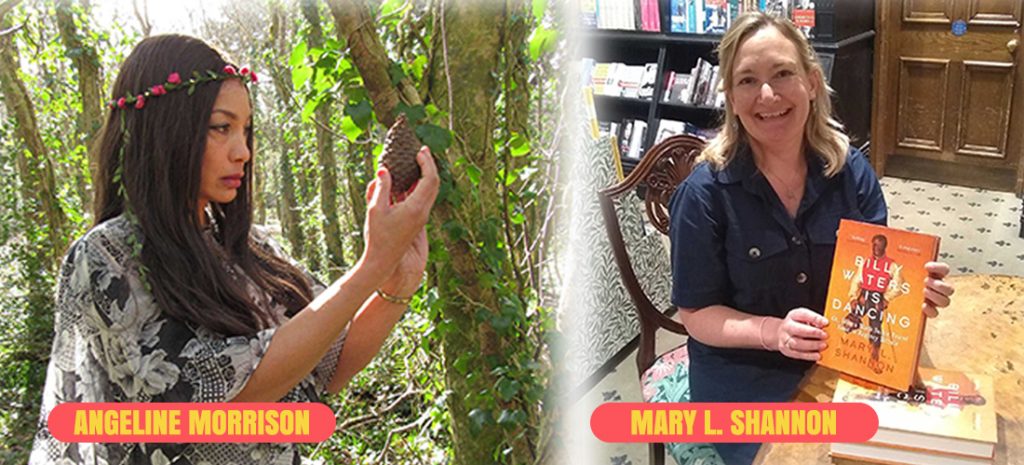
Angeline Morrison and Mary L Shannon
How did you find the experience as a musician and historian?
Angeline Morrison: The whole experience for me has been, and continues to be, enriching. Mary is an incredible scholar and her book Billy Waters is Dancing is such a phenomenal resource – she has captured the sights, sounds and sensations of Billy’s London in the wake of the Napoleonic Wars, exploring his many influences and how they fed into his music.
So it’s a real joy to work with her. And my friends and fellow musicians Hamilton Gross, Clarke Camilleri and Cohen Braithwaite-Kilcoyne are all so wildly talented it’s always an honour to make music with them. The lineup for tonight is so good, I’m excited to be part of it.
Mary L Shannon: It’s an absolute privilege and joy to work with Angeline and the other musicians on this event: Angeline’s work is very research-based so we have shared methods in common, but I am an indifferent singer and flute-player myself, so to collaborate with expert practitioners is an amazing opportunity. The idea for this event was born partly because I wanted to find ways to spend more time listening to Angeline, Clarke, Cohen, and Hamilton’s music; I’m so grateful to them for joining me on this venture!
Why do you think stories like Billy Waters’ resonate so strongly today?
Angeline Morrison: Billy Waters’ story speaks to so many of us on so many levels. For me, the combination of his Blackness, his disability, his poverty and his celebrity in Regency London is a remarkable thing. Circumstances were very heavily stacked against him, and, indeed, his renown didn’t come without its own hardships. Not everyone wanted to celebrate him at the time. But now, I think his story resonates for many reasons. I’m amazed nobody’s made a film about his life yet.
Mary L Shannon: Billy Waters lived an amazing life: stories of tragedy and resilience like his are what draw people to discover more about history. But we also can recognise the ambivalent nature of celebrity in his story: fame can be productive and destructive, especially for those who aren’t allowed power. Music connects people across time and space; Waters gives us that.
How can creative projects like this help rewrite public understanding of British history?
Angeline Morrison: For me, creativity is at the heart of our shared understandings of many things, including history. When we discover previously unknown figures in history, and previously unknown facts, then our sense of what we thought we knew must be adjusted.
This period of adjustment to new knowledge can sometimes be challenging. Music, writing, art, philosophy, all of our best human creative endeavours, all of these can pour soothing oil over that period of adjustment. Its effects can be healing, challenging, and expansive.
Mary L Shannon: Storytelling opens up research to people who otherwise might not choose or feel able to access it. By staging this performance and also creating the resources for educators, we hope to challenge public perceptions that Black and disabled voices played no role in shaping British culture. Billy Waters had a big impact on popular culture during the Regency period and into the Victorian period, even after his death.
Projects like this can show people that there are more voices out there to include in our narratives of British history and culture, and that our understanding of the past is all the richer for noticing who the Grand Narratives currently leave out.
Why should we come and see Jump Billy at Cecil Sharp House?
Angeline Morrison: It’s going to be a really great night!
Mary L Shannon: By revisiting Billy Waters’ life, we give him the recognition he has been deprived of for so long. We fill in gaps in our understanding of music history. And we celebrate the diverse history of English folk.
Need to know: Jump Billy! is at Cecil Sharp House on 25 Mar 2026 | See listing