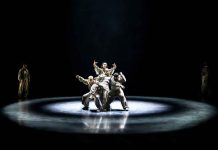

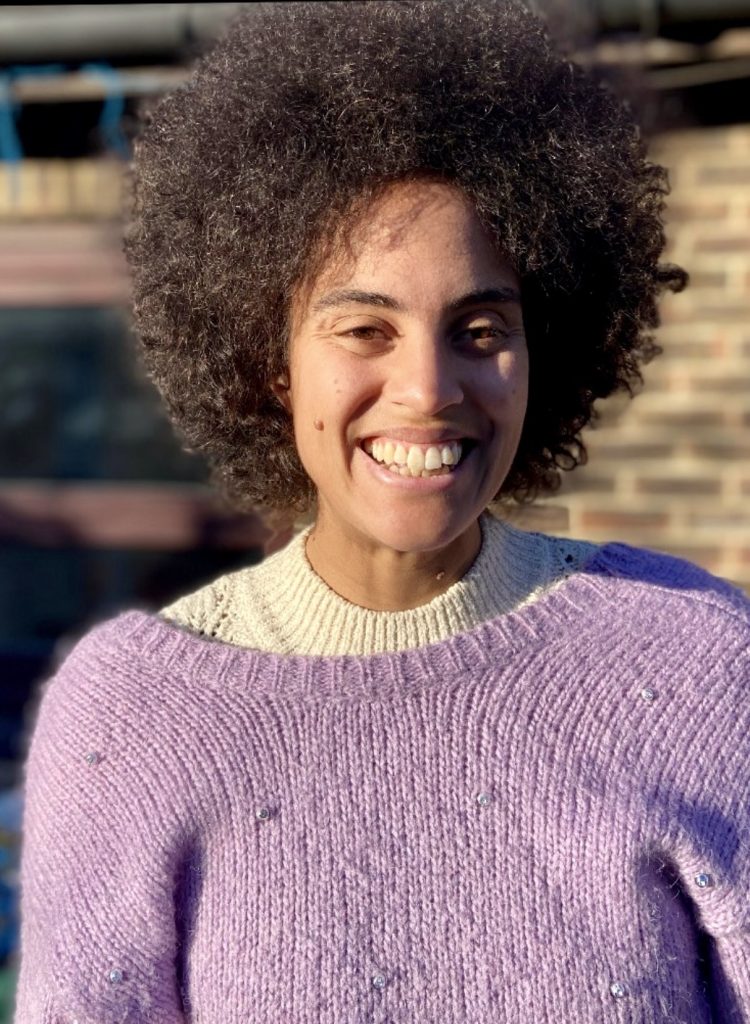
A community of transforming solos by Yewande 103 – expect a gently-paced evening of mesmerising solos – where you will witness movement tenderly transforming between one performer and the next. Many Lifetimes is a poetic new dance-installation from interdisciplinary dance company Yewande 103.
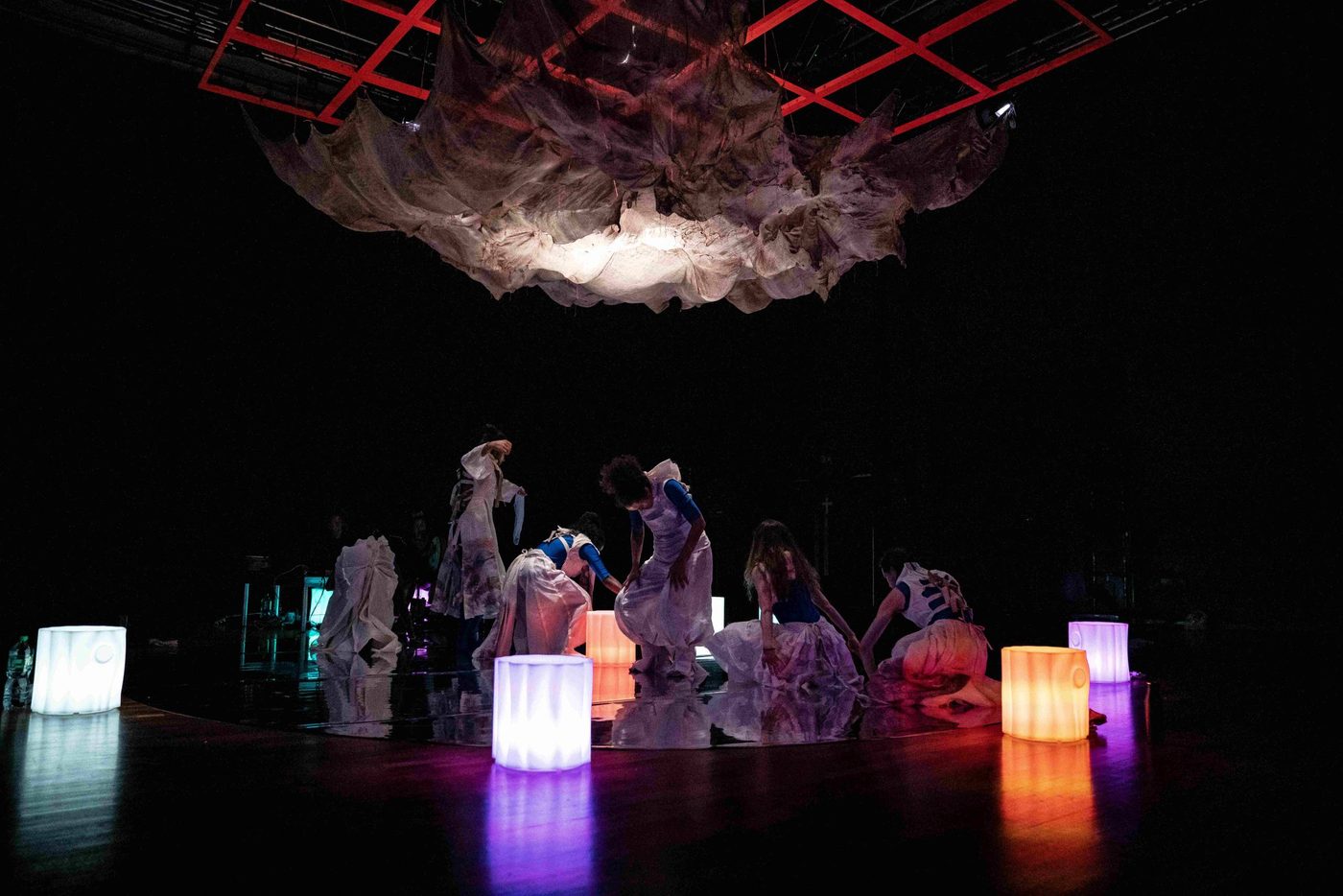
Beneath a suspended linen canopy and gentle rain of melting ice, Many Lifetimes continues founder Alexandrina Yewande Hemsley’s enquiries into tidal cycles of love, loss and repair. Working collaboratively with dancers, musicians and disability access advocates, this sculptural and tender performance is steeped in personal archives around change, remembrance and gathering together.
Yewande 103 creates work that delves into the sensorial, the bodily, the autobiographical and emotional – always in community. They believe in enlivened, sensitive, caring and inclusive creative projects.
Yewande 103 formalises over 17 years of Alexandrina’s work in contemporary dance nationally and internationally. Her work has been commissioned by Dance City, Somerset House, Disability Arts Online, Sadler’s Wells, Theaterformen and Battersea Arts Centre amongst others.
I’m intrigued. Why is the performance called ‘Many Lifetimes’?
I wanted to speak to the many lives we hold in our bodies – both in terms of how much our lives change in our one lifetime, how long it can take to metabolise change in our bodies and also, the many lifetimes lived before us and after us. I also wanted to have a title that contained many perspectives within a group of people.
‘Many Lifetimes’ explores cycles of love, loss, and repair. How did these themes first begin to shape the work?
I draw on autobiography within my work and always seek to transform my experiences by processing them through improvised movement and symbolism across disciplines. For example, college and creative writing play a big part in how I choreograph and present my ideas. Lived experiences of motherhood, care work, and bereavement shape my artistic practice. I knew that for this piece, I wanted to see the profound changes I had experienced as part of life’s many cycles. And also to see love and loss as very intertwined. As a Black disabled artist, repair speaks to imagining more equitable and inclusive futures rather than anything needing ‘fixing’.
In Many Lifetimes, I wanted to shape these themes by exploring how moments of profound change map through a solo dancer working with their own lived experience and then transform again by passing that movement material onto the next performer. I also wanted to make a group piece because these themes of love, loss and repair touch so many of us. I offer Many Lifetimes as a place where a sense of community can also contemplate these themes together.
The piece is steeped in “personal archives” and memory. How do personal experiences translate into choreography and performance?
I spent time with each of the dance collaborators exploring a moment in their lives which changed them. We wrote about them first and then creatively turned that moment into an object and a landscape. In this way, we used our imaginations to abstract our personal archives – e.g. the texture and feelings of the event – into movement prompts. In this way, the choreography exists as a movement score between overlapping memories. Alongside these stories, I devised movement states that shift between physical qualities – opening, spilling, gathering – states that evoke vulnerability, the act of holding one another, and the quiet desire to be held ourselves.
Water and tidal imagery appear throughout the work. Why has watery symbolism become an important language in this project?
Since about 2015, symbolism and psycho-geographies of water have appeared in my choreographic, film and curatorial projects. Previous projects, Maelstrom Under Glass (2020), FOUNTAIN (2022–2023), and Many Lifetimes all explore how water can hold, flood, soothe, and nourish BIPOC disabled bodies across timescales, from the historic to the contemporary. For Many Lifetimes, there is a mirrored floor on which we dance on and there is ice dripping through a linen canopy above the performance space.
The reflections from the mirrored floor evoke a watery surface and it has been so exciting to work with these elements of set to bring watery symbolism to the fore. Bringing water into a space when our world is facing climate catastrophes feels important. I also feel like in these divisive times, fluidity really matters – a reminder of the water in our own bodies, water’s invitation to soften and also to overpower. I use it to hold a full range of experiences to language in the enormity of grief and the strength of love.
The work seems to hold both grief and healing. How do you balance those emotional states within the performance?
Yes. Each performer works within their own journeys and when practising in the studio, we speak a lot about holding our own ownership over where we feel able to go on that particular rehearsal. I think the balance between these very personal themes lies in giving permission to shift in the depth of feeling we use as movement prompts. I also return a lot to the body and our anatomy. To ground emotional states back into movement enquiry and muscle connectivity. And then our imaginations and the stories we are expressing through dance can fly from that place.
Sadler’s Wells East
What role did the dancers’ individual backgrounds and experiences play in shaping their solos?
Each dancer’s solo comes from their own memories and so their lived experiences play a major role in their dance material. Because the work is improvised, I wanted to invite dance artists who were very established in their own practices and brought different movement vocabulary. I wanted to gesture towards how universal the experiences of the work are and represent diverse experiences and bodies on stage.
Accessibility seems central to the work. How was accessibility integrated into both the creative process and the audience experience?
As a disabled-led company working with teams who identify as D/disabled, neurodiverse or living with long-term health conditions, accessibility needs continual consideration. For Many Lifetimes, I have been able to further my own disability advocacy work by collaborating with amazing access consultants, support workers and advocates We are Senoria, Shivaangee Agrawal and Angel Dust.
The show is described as a “gentle invitation to witness.” What kind of experience do you hope audiences leave with?
I think an experience of slowing down, of watching people processing their stories of change through dance and of finding a place in themselves to remember what caring for one another in times of change can feel like.
What have you learned about grief, healing, or community through making this work?
That grief, healing and community are not only part of human experiences but deeply essential to feeling connected to ourselves and each other. That building community can help resist society’s pressure to shun grief as something for an individual to somehow know how to go through and also not talk openly about loss for fear of something being ‘too much’. Business coach Sarah Cooper recently pointed out to me that tears are nature’s way not only of signalling distress but also of ‘come closer’ because distress is here. It is the opposite function to what can so often happen – that a grieving person or a person whose life has profoundly changed is left to deal with the aftermath alone. Many Lifetimes is also a joyful work. We each enjoy dancing so much, and so I have also learned that grief can be carried with great strength and humour.
Finally, why should we come to see ‘Many Lifetimes’?
For a moment of gentle reflection on the experiences of love and loss that all our bodies carry.
Need to know: Yewande 103 ‘Many Lifetimes’ is at Sadler’s Wells on 26/27 March 2026 | See listing on Afridiziak Theatre News